

How to use this book
This book is designed to create opportunities for the parent/caregiver and child to talk about emotions.
This book will also help you and your child with strategies to support them to regulate their emotions and problem solve issues with friends, even when you’re not there to help. Giving the child the sense that they have choices in how they react when they get big feelings.
Use the feelings buttons to talk about feelings
“Kids have big feelings and not enough words”
Looking at body language and facial expressions in this book gives young reader’s practice in identifying emotions and allows you to talk about them together.
We have included different emotions and strategies that you and your children can work through together as you go on the co-regulation journey to self-regulation. This shows the young reader that they can manage their own emotional reactions and responses through the choices they make.
As you read each page you can ask your child to look at the feelings buttons at the bottom of each page and match the feelings to both Lulu and Jordan reactions and talk about it together.
This is the full set of feelings buttons:
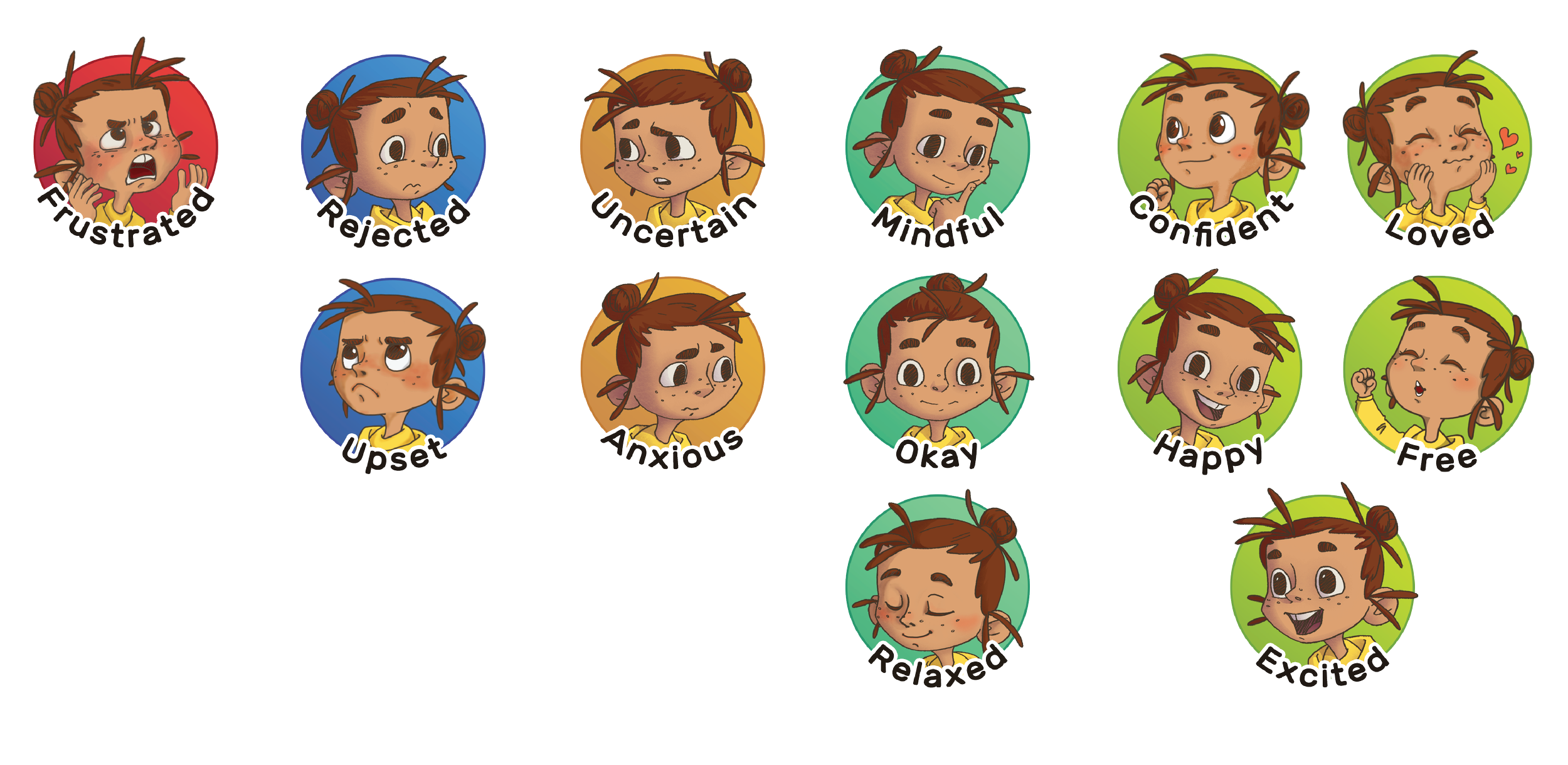
Anger
Sadness
Fear
Happiness
Calm

Quick start: 5-minute first read plan
Before reading: picking a calm time, giving the child control (choose page order, choose a character)
During reading: Name feelings (label emotions)
Pause prompts (“What do you think Jordan is feeling?”)
Body clues prompts (interoception:) “Where do you feel that in your body?”)
Co-regulation: coaching and modelling
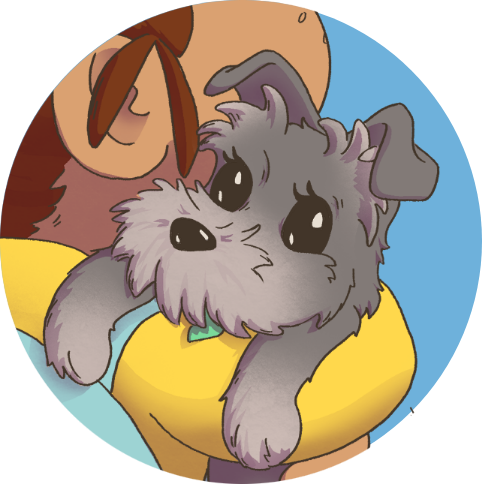
Lulu is coaching Jordan, reminding him of some of the strategies that Mom has been sharing, helping Jordan to manage or self-regulate emotions.
Children’s Social and Emotional Development Starts with Co-Regulation

Interoception: understanding what’s going on inside
As we try to identify feelings, it’s important to help children recognise how their body is reacting to those feelings - what is going on in their body. This sense is called interoception.
Kelly Mahler - What is interoception
Evidence backbone: co-regulation and emotion coaching research and practice.
Jordan and Lulu's adventures are created with the intent to build children's development in the following areas as well as nurturing the parent and child's communication.
Understanding the value of an emotional journey
The book takes the reader through an emotional journey with Jordan and Lulu from uncertainty and anxiety, using mindful strategies to eventually find their calm and self-confidence again.
With illustrations the story provides opportunities for you and your child to talk about and recognise feelings of anxiety, uncertainty, confidence, happiness, and calmness and the feeling of being loved and ok.
We hope you enjoy reading this story together and please keep an eye out for the next adventures of Jordan and Lulu coming soon.
Strengthening emotional understanding
If you would like to strengthen your child’s social and emotional understanding, then this book will guide you both with ideas and insights into building positive relationships. The book provides in-the-moment scripts for conflict and anxiety and regulation.
Coaching self-regulation by co-regulating your child's emotions
The story contains co-regulation strategies for you as a parent/carer to share and practice with your child/ren to help them learn to self-regulate their feelings.
The story also shows children that they can work through social interactions with friends and working out issues or conflicts with self-talk, recognising emotions and noticing how their body is reacting (interoception).
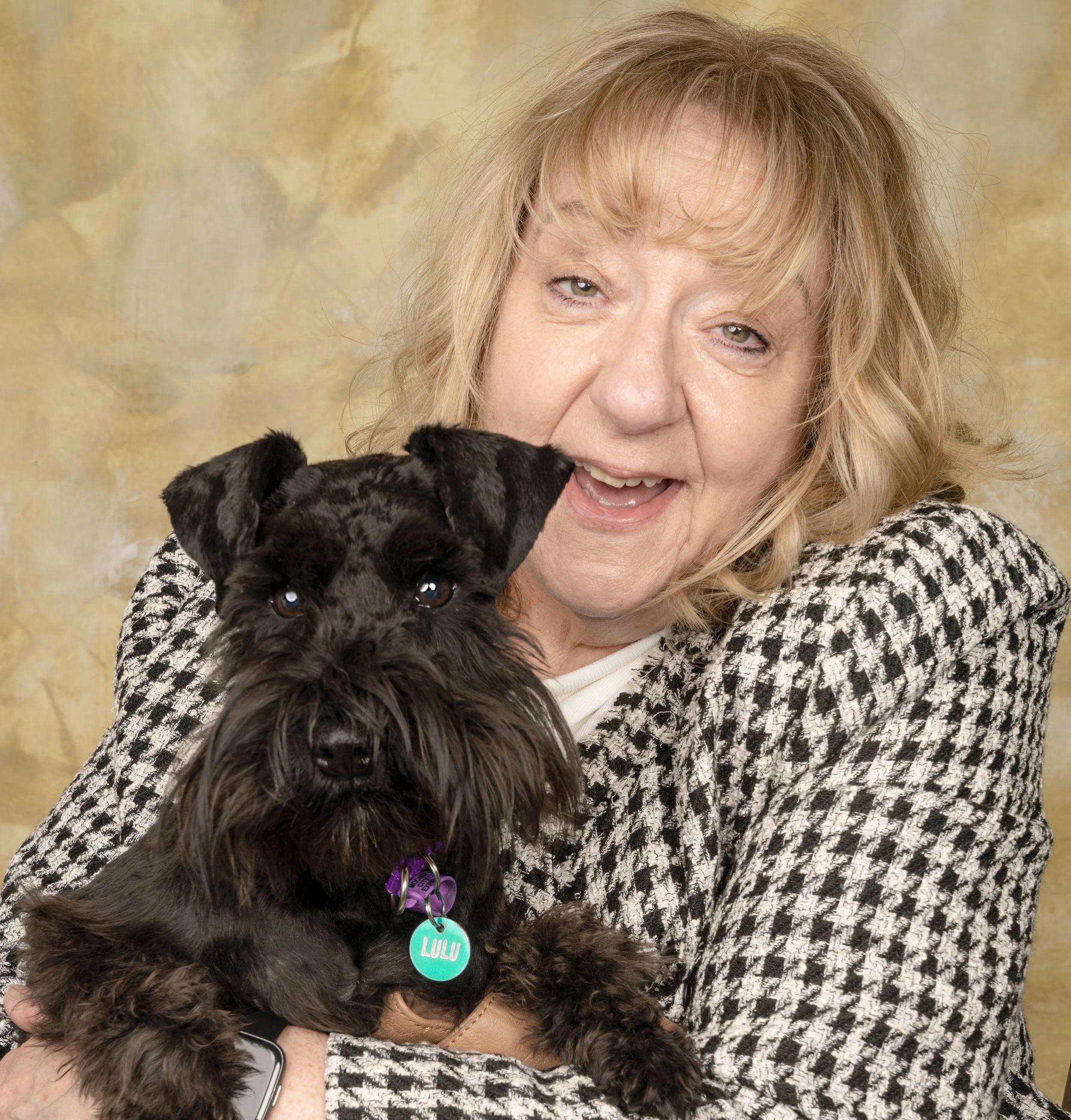
The author - meet Carolyn
and Lulu
Carolyn Mghendi, co-writer and creator of this book, is a specialist early childhood intervention teacher. She holds teaching qualifications from Melbourne University and a postgraduate degree in Special Education from Flinders University. With over 40 years of experience across Australia and Kenya, Carolyn has dedicated her career to supporting children and families with diverse developmental, communication, and behavioural needs in preschools, primary schools, anvd early intervention teams.
Coaching families through practical routines
Carolyn loves partnering with families to share practical, everyday strategies that make daily routines easier and more joyful. The ideas in this book grew from real-life experiences—both as a parent and as a teacher collaborating within multidisciplinary teams of speech pathologists, occupational therapists, psychologists, physiotherapists, and music therapists. Carolyn looks forward to sharing these proven, valuable tools with you and your child.
Introducing Lulu
Lulu is Carolyn’s family pet, a miniature schnauzer who knows exactly what it feels like to be an excitable pup learning to find her calm. Lulu is currently preparing for her future role as a certified therapy dog. She has already mastered 20 key word signs and verbal commands. Once she turns two, Lulu will undergo formal therapy dog training so she can join Carolyn in helping children discover their own calm.